Datamosh engine

Melt, smear, and break footage with real codec damage. Rotoscoping built in.
$67
mac · ae · pr
Instruments for editors · pay once
Datamosh, time displacement, analog screens. Real engines, not filters.
The rack · for editors
Four engines and a free pack. Pay once, keep forever.
Datamosh engine
Melt, smear, and break footage with real codec damage. Rotoscoping built in.
mac · ae · pr
Time shaper

Stretch movement into trails, echoes, and frozen time. Shape it yourself.
mac · ae · pr
Analog video engine

Run footage through real analog circuits. Glow, bleed, wobble, static.
mac · ae · pr
Photographed screens
CRT STUDIO
Photograph your shot on a real screen, inside After Effects.
ae · pr
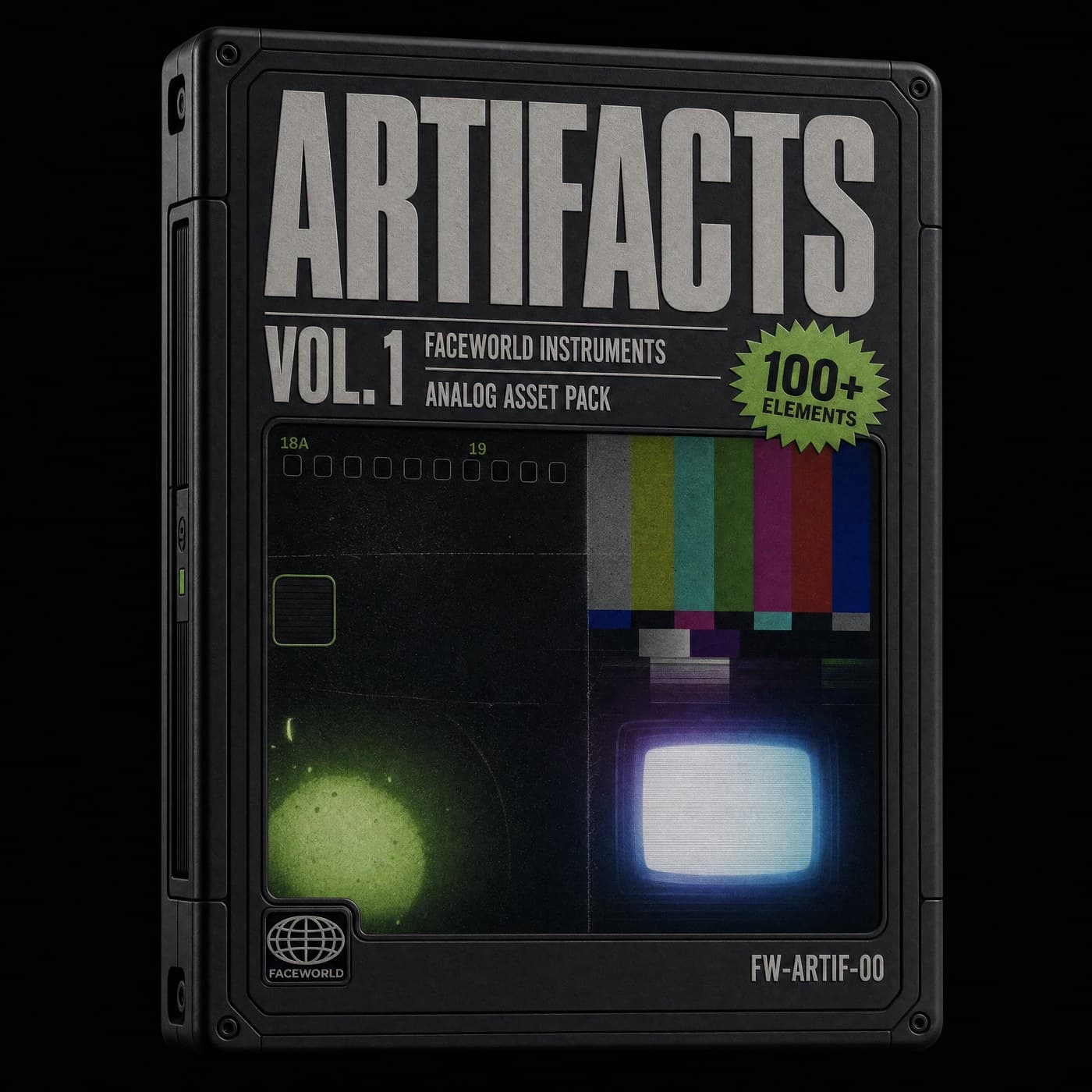 free
freeAsset pack
ARTIFACTS
100+ grain, leaks, textures, and glitch overlays. Drag them straight in.
Raw output
Every clip is raw output from MOSH and GHOST.
Under the hood
Nothing here pastes a look on top of your clip. Each one rebuilds the actual process: real compression damage, real slit-scan geometry, real analog circuits, a real screen.
01
Not a datamosh filter.
Corrupts the video's own motion data, so footage smears, melts, and breaks the way real damaged video does. Subject rotoscoping is built in.
How MOSH works→02
Not a motion-blur smear.
Rebuilds real slit-scan geometry: one frame assembled from thin slices of time. Then you shape the displacement and pin it to your subject.
How GHOST works→03
Not a VHS overlay.
Runs your footage through a simulated analog signal path: the real circuitry behind a CRT, arcade monitor, plasma, or LED screen.
How GLAZE works→04
Not a grid pasted on top.
Rebuilds the display itself: phosphor cells, aperture grille, light through the mask. Then you photograph it with a virtual camera in After Effects.
How CRT STUDIO works→Built by VFX artists, for VFX artists.
Questions
requirements
What do I need to run them?
pricing
Is it a subscription?
licensing
Can I use it on client work?
not sure
Not ready to buy?